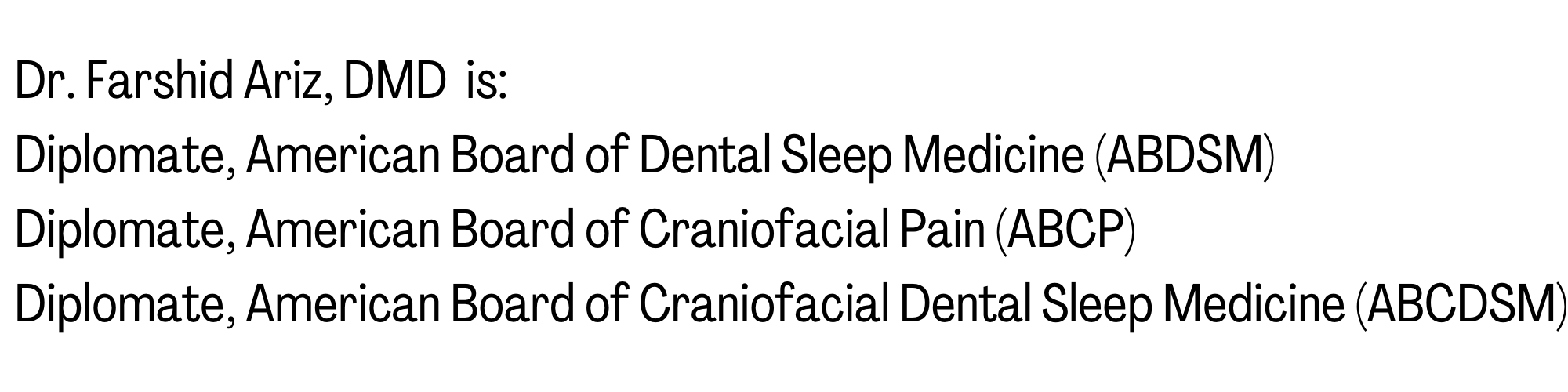

Sleep care is changing fast. At the TMJ & Sleep Centre of San Fernando Valley, I work alongside Dr. Farshid Ariz, DMD, to bring our Brentwood-area patients the most advanced approaches to diagnosing and treating sleep disorders. One of the most exciting developments we see today is the rise of AI in sleep medicine. Artificial intelligence is reshaping how we screen, diagnose, and manage conditions like obstructive sleep apnea, insomnia, and other sleep-related breathing disorders. This post will walk you through what this means for you as a patient and why the future of sleep care looks brighter than ever.
What Is AI in Sleep Medicine?
Artificial intelligence refers to computer systems that can learn from data and make decisions. In sleep medicine, AI-powered tools analyze massive amounts of patient information. They look at sleep study recordings, breathing patterns, heart rate data, and even jaw movement. Then they help clinicians like us spot problems faster and more accurately than traditional methods alone.
Think of it this way. A standard overnight sleep study, called a polysomnography, generates hundreds of pages of data. A trained technician may spend hours scoring that data by hand. AI-driven sleep analysis software can process the same information in minutes. It flags abnormal events, identifies patterns, and provides a detailed report that helps your doctor create a personalized treatment plan.
This does not mean machines are replacing doctors. It means we now have smarter tools that support clinical decision-making. The doctor still makes the final call. AI simply gives us a sharper lens to see what is happening while you sleep.
How Artificial Intelligence Improves Sleep Disorder Diagnosis
One of the biggest challenges in sleep care has always been underdiagnosis. According to the American Academy of Sleep Medicine, an estimated 80% of moderate-to-severe obstructive sleep apnea cases remain undiagnosed in the United States. That is a staggering number. Many people live for years with poor sleep, daytime fatigue, and health risks without knowing why.
AI-based screening tools are helping close that gap. Wearable devices now use machine learning algorithms to track oxygen saturation, heart rate variability, and respiratory effort right from your wrist or finger. These consumer-grade and medical-grade devices can flag potential sleep apnea and prompt patients to seek a formal evaluation.
For patients in Brentwood and surrounding communities like Encino and Sherman Oaks, this means earlier detection. Earlier detection leads to earlier treatment. Earlier treatment leads to better long-term health outcomes. It is a simple chain of events, and AI technology is the catalyst.
Smart Home Sleep Testing
Home sleep apnea testing, or HSAT, has become far more common over the past decade. AI makes these tests even more reliable. Modern home testing devices use intelligent algorithms to filter out noise, reduce false readings, and deliver lab-quality results in a home setting. Patients can sleep in their own bed in Brentwood, wear a small monitoring device, and receive accurate data that their clinician can review the next day.
This is especially helpful for patients who feel anxious about spending a night in a sleep lab. Comfort matters. When patients sleep more naturally, the data we collect is more representative of their true sleep patterns.
AI-Powered Treatment Planning for Sleep Apnea
Diagnosis is only half the picture. The other half is treatment. AI in sleep medicine also improves how we design and monitor treatment plans. For example, CPAP machines — the most common treatment for obstructive sleep apnea — now come equipped with AI-driven software. These smart CPAP devices learn your breathing patterns over time. They automatically adjust air pressure throughout the night to match your needs in real time.
A study published in the Journal of Clinical Sleep Medicine found that auto-adjusting CPAP devices improved patient adherence by approximately 20% compared to fixed-pressure devices. That is a meaningful improvement. Adherence has always been the biggest hurdle in CPAP therapy. When the device adapts to you instead of forcing you to adapt to it, you are far more likely to use it consistently.
For patients who use oral appliance therapy — a treatment we frequently recommend at our practice — AI can assist with appliance design and titration. Digital impressions, 3D modeling, and predictive software help us create devices that fit better and work more effectively from the start. You can learn more about how we approach treatment options in our post on TMJ and sleep apnea and understanding the connection.
The Role of Machine Learning in Sleep Pattern Analysis
Machine learning is a branch of AI that gets better with experience. The more data it processes, the smarter it becomes. In sleep care, machine learning algorithms are trained on thousands of sleep studies. They learn to recognize subtle patterns that even experienced clinicians might miss.
For instance, machine learning can detect early-stage upper airway resistance syndrome. This condition does not always show up clearly on a standard sleep study. But an AI system trained on enough cases can pick up on micro-arousals, flow limitations, and other subtle markers. That means patients get answers sooner rather than later.
Machine learning also helps us understand how sleep disorders interact with other conditions. Many of our patients deal with TMJ disorders alongside sleep-disordered breathing. AI tools can analyze how jaw position, airway dimensions, and muscle activity relate to each other during sleep. This kind of integrated analysis helps us deliver more comprehensive care. For more on this topic, take a look at our post about how TMJ disorders affect sleep quality.
Telehealth and AI: Expanding Access to Sleep Care
The combination of telehealth and AI is making sleep care more accessible than ever. Patients in Brentwood and throughout the San Fernando Valley can now have virtual consultations, receive AI-analyzed home sleep test results, and start treatment — all without multiple in-person visits. This is a game changer for busy professionals, parents, and anyone with a packed schedule.
Remote monitoring is another major benefit. Once a patient starts CPAP or oral appliance therapy, AI-enabled platforms can track their progress nightly. If the system detects a problem — such as mask leak, poor compliance, or worsening apnea events — it can alert the clinical team right away. We can then reach out to the patient, adjust their treatment, and keep them on track.
This proactive model of care is a significant step forward. Instead of waiting for a follow-up appointment weeks later, we can intervene in real time. Patients feel supported, and outcomes improve.
Ethical Considerations and Patient Privacy
Any discussion about AI-driven healthcare must address privacy. Sleep data is personal health information. It deserves the highest level of protection. Reputable AI platforms in sleep medicine comply with HIPAA regulations and use encryption to safeguard patient data. At our practice, we only partner with technology providers that meet these strict standards.
Transparency is also important. Patients should always know when AI is being used as part of their care. They should understand what data is collected, how it is analyzed, and who has access. We believe informed patients are empowered patients.
The National Institutes of Health provides excellent resources on how AI is being responsibly integrated into healthcare, including sleep medicine. We encourage our patients to stay informed.
What the Future Holds
We are still in the early stages of integrating artificial intelligence into sleep disorder treatment. But the trajectory is clear. AI will continue to make sleep care faster, more accurate, and more personalized. We will see better diagnostic tools, smarter treatment devices, and more efficient clinical workflows.
At our Brentwood-area practice, we are committed to staying at the forefront of these advances. Our goal is simple: help every patient sleep better and live healthier. AI technology is one more powerful tool that helps us achieve that goal.
If you have been struggling with sleep or suspect you may have a sleep disorder, now is a great time to explore your options. The technology available today can provide answers faster and more comfortably than ever before. We look forward to helping you on your journey to better sleep.
Frequently Asked Questions
How is AI used in sleep medicine to diagnose sleep apnea?
AI analyzes data from sleep studies and wearable devices to detect abnormal breathing patterns, oxygen drops, and micro-arousals. These intelligent algorithms can process hundreds of pages of sleep data in minutes, helping clinicians identify obstructive sleep apnea and other disorders faster and with greater accuracy than manual scoring alone.
Can AI replace my sleep doctor?
No, AI is a tool that supports your sleep doctor — it does not replace them. Artificial intelligence helps clinicians analyze data more efficiently and spot patterns that might be missed. Your doctor still interprets the results, considers your full medical history, and makes all treatment decisions.
Are AI-powered home sleep tests as accurate as in-lab sleep studies?
Modern AI-enhanced home sleep apnea tests have become remarkably accurate for diagnosing obstructive sleep apnea. Machine learning algorithms filter out noise and reduce false readings, delivering results that approach lab quality. However, your doctor will determine which type of test is most appropriate based on your specific symptoms and medical history.
How does artificial intelligence improve CPAP therapy compliance?
AI-driven CPAP machines learn your breathing patterns and automatically adjust air pressure in real time throughout the night. Studies show that auto-adjusting devices improve patient adherence by approximately 20% compared to fixed-pressure machines. AI also enables remote monitoring, so your care team can identify and resolve issues quickly.
Is my sleep data safe when AI tools are used?
Reputable AI platforms used in sleep medicine comply with HIPAA regulations and use strong encryption to protect your personal health information. Your clinician should always inform you when AI is part of your care and explain what data is collected. At our practice, we only work with technology providers that meet the highest privacy and security standards.
Written by: Dr. Farshid Ariz, DMD