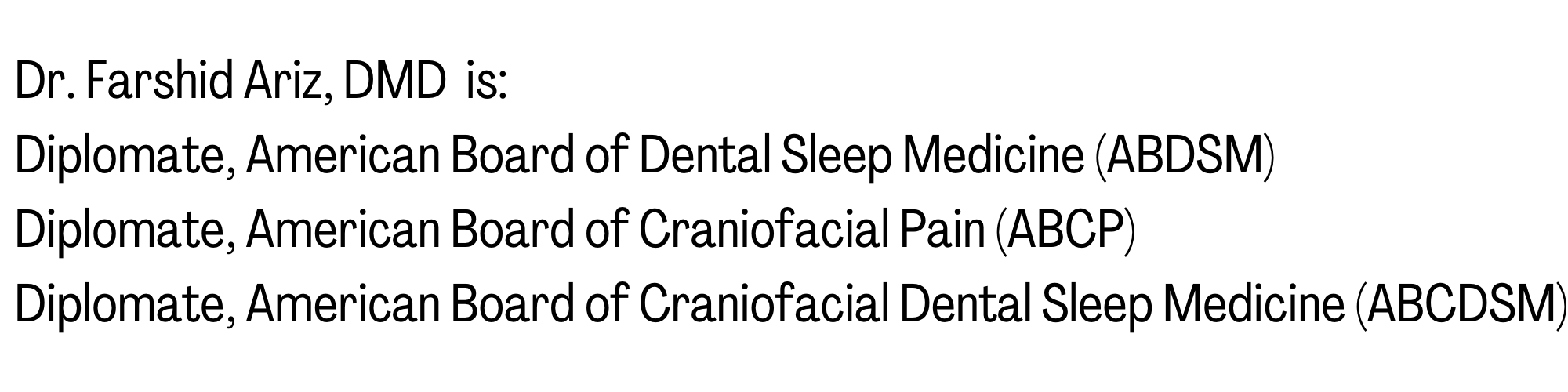

If you wear a dental appliance for sleep apnea or TMJ disorders, one of the most common questions you probably have is about oral appliance lifespan. How long will it last? When should you replace it? These are great questions, and the answers can help you plan ahead and protect your investment in better sleep and better health. I’m Dr. Farshid Ariz, DMD, a periodontist practicing in Brentwood, California, and I help patients every day understand how to get the most out of their oral appliances. In this post, I’ll walk you through everything you need to know about how long these devices last and what you can do to extend their useful life.
What Is an Oral Appliance and Why Does Its Lifespan Matter?
An oral appliance is a custom-fitted device you wear in your mouth during sleep. It is most commonly used to treat obstructive sleep apnea (OSA) and temporomandibular joint (TMJ) disorders. The appliance works by gently repositioning the lower jaw or tongue to keep the airway open while you rest. Because you wear it every single night, the materials experience significant wear and tear over time.
Understanding the lifespan of your oral appliance matters for several reasons. A worn-out device may no longer hold your jaw in the correct position. That means it could stop being effective at treating your sleep apnea or TMJ symptoms. Knowing when to replace your appliance ensures you continue receiving the therapeutic benefits without interruption.
How Long Does an Oral Appliance Typically Last?
Most custom-made oral appliances last between 2 and 5 years, depending on a variety of factors. According to a study published in the Journal of Clinical Sleep Medicine, the median functional lifespan of mandibular advancement devices is approximately 2.5 years before they require replacement or significant repair. Some higher-quality appliances made with durable thermoplastic materials can last closer to five years with proper care.
The American Academy of Dental Sleep Medicine recommends regular follow-up visits to assess appliance fit and function. These check-ups help catch early signs of wear before the device loses its effectiveness. Here in Brentwood and throughout the San Fernando Valley, I see patients for these evaluations on a routine basis to make sure their devices are still performing well.
Factors That Affect How Long Your Oral Appliance Lasts
Not every oral appliance will last the same amount of time. Several key factors influence the durability of a dental sleep appliance and how quickly it may need to be replaced.
Material Quality
Oral appliances are made from different types of acrylic, nylon, and thermoplastic materials. Higher-grade materials tend to resist cracking and yellowing for longer periods. When you invest in a quality custom device, you are investing in a longer-lasting appliance.
Bruxism and Teeth Grinding
If you grind your teeth at night, your appliance will wear down faster. Bruxism places extra force on the device. A study from Sleep and Breathing found that patients with concurrent bruxism had a 30% higher rate of appliance damage within the first two years of use. If you are a teeth grinder, let your provider know so we can select a more robust design.
Cleaning Habits
Proper daily cleaning plays a big role in the longevity of an oral appliance. Bacteria buildup, mineral deposits, and improper cleaning solutions can degrade the materials over time. I always recommend gentle cleaning with a soft brush and cool water. Avoid hot water, which can warp the device.
Storage Practices
When you are not wearing your appliance, store it in its protective case. Leaving it exposed on a nightstand or in a bathroom can expose it to heat, humidity, and accidental damage. A proper storage routine extends the oral appliance lifespan significantly.
Frequency of Use
Nightly use is recommended for therapeutic effectiveness, but it also means the device is constantly under mechanical stress. This is normal and expected. Consistent use does not mean you are doing anything wrong — it simply means regular evaluations are important.
Signs Your Oral Appliance Needs Replacement
Even with the best care, every appliance will eventually need to be replaced. Here are the key warning signs to watch for:
- Visible cracks or chips in the acrylic or plastic components
- Loose fit — the appliance no longer snaps securely onto your teeth
- Discoloration or persistent odor that does not go away with cleaning
- Jaw discomfort or bite changes that were not present before
- Return of snoring or sleep apnea symptoms that the appliance previously controlled
If you notice any of these signs, schedule an appointment right away. Continuing to use a compromised appliance can reduce your treatment outcomes and may even cause new problems with your bite alignment.
How to Maximize the Life of Your Dental Sleep Appliance
Getting the most years out of your appliance starts with a few simple daily habits. Here’s what I recommend to my patients in Brentwood and the surrounding Los Angeles communities:
- Clean daily with a soft-bristle toothbrush and mild soap or a recommended appliance cleaner
- Rinse thoroughly before and after each use
- Never use hot water — it can distort the shape of the appliance
- Store properly in a ventilated case when not in use
- Bring it to every dental visit so your provider can inspect it for wear
- Avoid biting down hard on the appliance to snap it into place — guide it gently with your fingers
These habits may seem simple, but they make a real difference. Patients who follow these guidelines consistently report fewer replacements and longer oral appliance durability compared to those who skip routine care.
The Role of Regular Check-Ups in Extending Appliance Life
Regular professional evaluations are one of the best ways to protect your investment. During these visits, we assess the appliance for microscopic wear, check the jaw alignment, and confirm that the device is still providing adequate airway support. We may also make minor adjustments that can prevent small issues from becoming major problems.
I recommend patients come in every six months for an appliance check. This is especially important for patients managing sleep apnea treatment because an ill-fitting appliance can allow apnea events to return without you realizing it.
When Is It Time for a New Oral Appliance?
Even if your appliance looks fine on the outside, internal material fatigue can reduce its performance. After about three to five years, the plastics and hinges may lose their structural integrity. If your sleep study results begin to show increased apnea-hypopnea index (AHI) scores despite wearing the device, it is likely time for a new one.
Dental changes also play a role. If you have had dental work done — crowns, extractions, or orthodontic treatment — your appliance may no longer fit correctly. Any change in your dental anatomy can affect the lifespan of your oral appliance, so always let your sleep dentist know about recent procedures.
Cost Considerations and Insurance Coverage
Many patients wonder about the financial side of replacing an oral appliance. Most medical insurance plans cover a replacement every three to five years when medical necessity is documented. We work with patients in Brentwood and throughout the San Fernando Valley to help with insurance verification and prior authorizations so there are no surprises.
Investing in a well-made appliance upfront can actually save money in the long run. A durable, high-quality device that lasts five years costs less per year than a cheaper alternative that needs replacing every 18 months. When you factor in the health benefits of consistent, effective TMJ and sleep apnea treatment, the value becomes even clearer.
Frequently Asked Questions
How many years does an oral appliance for sleep apnea last?
Most custom oral appliances for sleep apnea last between 2 and 5 years. The exact duration depends on the material quality, how well you care for the device, and whether you grind your teeth at night. Regular professional check-ups help ensure the appliance remains effective throughout its useful life.
What are the signs that my oral appliance needs to be replaced?
Common signs include visible cracks, a loose or poor fit, persistent odor despite cleaning, and the return of snoring or sleep apnea symptoms. If you notice changes in your bite or jaw discomfort, those can also indicate the appliance is no longer functioning properly and should be evaluated.
Does teeth grinding shorten the lifespan of an oral appliance?
Yes, bruxism significantly increases wear on oral appliances. Research shows that patients who grind their teeth experience up to 30% more appliance damage within the first two years. If you have bruxism, your provider may recommend a more durable appliance design to compensate for the extra force.
How should I clean my oral appliance to make it last longer?
Clean your oral appliance daily with a soft-bristle toothbrush and mild soap or an appliance-specific cleaner. Always use cool or lukewarm water because hot water can warp the material. Store the device in a ventilated protective case when not in use, and bring it to every dental appointment for professional inspection.
Will insurance cover the cost of replacing my oral appliance?
Most medical insurance plans cover oral appliance replacement every 3 to 5 years when medical necessity is documented by your provider. Coverage varies by plan, so it is a good idea to verify your benefits before scheduling a replacement. Your dental sleep medicine office can often help with insurance verification and prior authorization.
Written by Dr. Farshid Ariz, DMD — Periodontist, TMJ & Sleep Centres of the San Fernando Valley, Brentwood, California.