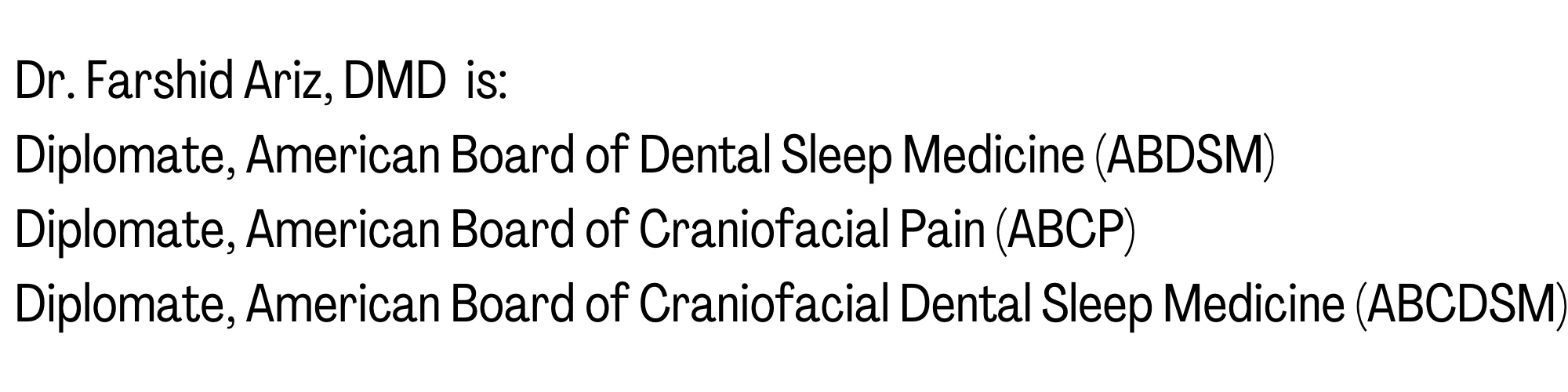

If you have been putting off treatment for TMJ disorders because of fear or anxiety, you are not alone. Many patients in our Brentwood office share this same concern. The good news is that sedation dentistry for TMJ treatment has made it possible to receive comfortable, stress-free care. I am Dr. Farshid Ariz, DMD, a periodontist at TMJ Sleep Centre SFV, and I want to walk you through how sedation options can transform your experience. Our goal is to help every patient feel safe, relaxed, and confident during their visit.
Why Patients Feel Anxious About TMJ Treatment
TMJ disorders affect the temporomandibular joint — the hinge that connects your jawbone to your skull. Treatment can range from simple oral appliance therapy to more involved procedures. For many people, just sitting in a dental chair triggers stress. Past negative experiences, sensitivity around the jaw, or the sounds and sensations of dental work can all contribute to anxiety.
According to the American Dental Association, an estimated 22 percent of Americans avoid dental visits due to fear or anxiety. That is nearly one in four adults who delay care they need. When someone with a TMJ disorder avoids treatment, the condition often worsens over time. Jaw pain can spread to the neck, head, and shoulders. Sleep quality may decline. Daily activities like eating and speaking become more difficult.
This is exactly why sedation dentistry TMJ care is so important. It removes the barrier of fear so patients can get the help they deserve.
What Is Sedation Dentistry for TMJ Disorders?
Sedation dentistry uses medication to help patients relax during dental procedures. It is sometimes called “sleep dentistry,” although most forms of sedation keep you awake. You are simply in a deeply relaxed state. For TMJ treatment specifically, sedation helps in two key ways. First, it eases emotional anxiety. Second, it allows your jaw muscles to relax, which can actually make treatment more effective.
There are several levels of sedation we use at our practice near Brentwood and the greater San Fernando Valley area:
- Minimal sedation: You are awake but relaxed. This is often achieved with nitrous oxide (laughing gas) or a mild oral sedative taken before your appointment.
- Moderate sedation: You may slur your words and have little memory of the procedure. This is sometimes called conscious sedation and is administered orally or through an IV.
- Deep sedation: You are on the edge of consciousness but can still be awakened. This is used for longer or more complex TMJ procedures.
Each option is tailored to the patient’s needs, health history, and the type of TMJ treatment being performed. We carefully review your medical background to select the safest and most comfortable approach.
How Sedation Improves TMJ Treatment Outcomes
Many people do not realize that anxiety itself can make TMJ symptoms worse. When you are stressed, your jaw muscles tense up. You may clench or grind your teeth without even knowing it. This creates a cycle: TMJ pain causes anxiety, and anxiety worsens TMJ pain.
When we use sedation during TMJ therapy, your muscles release that tension. Your jaw can move more freely, and we can assess joint function with greater accuracy. This means better diagnostic information and more precise treatment. Patients who choose sedation options for their TMJ care often report a smoother recovery as well, because their muscles were not fighting the process.
A study published in the Journal of Dental Research found that patients who received sedation during dental procedures reported 85 percent less perceived pain compared to those who did not receive sedation. This kind of data reinforces what we see every day in our Brentwood-area practice — relaxed patients heal better and have a more positive overall experience.
Who Is a Good Candidate for Sedation Dentistry?
Almost anyone who experiences dental anxiety can benefit from sedation. However, it is especially helpful for the following groups:
- Patients with severe TMJ pain who have difficulty keeping their mouth open for extended periods
- Individuals with a strong gag reflex
- People who have had traumatic dental experiences in the past
- Patients who need multiple TMJ treatments completed in a single visit
- Anyone with general anxiety disorder or dental phobia
During your initial consultation, we discuss your concerns openly. We listen to your experience and your worries. Then, together, we decide on the sedation level that matches your comfort needs. There is no judgment — only support.
What to Expect During a Sedation Dentistry TMJ Appointment
Knowing what to expect can itself reduce anxiety. Here is a step-by-step overview of a typical visit:
- Before your appointment: We may ask you to avoid eating or drinking for a certain period, depending on the sedation method. You will receive clear instructions ahead of time.
- Arrival: You will be welcomed into a calm, comfortable treatment room. Our team explains every step before it happens.
- Sedation administration: Whether it is nitrous oxide through a small mask, an oral pill, or an IV line, sedation is administered gently and gradually.
- Treatment: Once you are fully relaxed, we begin your TMJ therapy. This may include oral appliance fitting, joint imaging, trigger point therapy, or other procedures.
- Recovery: After the procedure, you rest comfortably until the sedation wears off. For moderate or deep sedation, you will need someone to drive you home.
Most patients tell us afterward that they wish they had chosen sedation sooner. Many say they barely remember the procedure and felt no discomfort at all.
Sedation Options and TMJ Sleep Therapy
TMJ disorders and sleep problems frequently go hand in hand. Many of our patients in Brentwood and nearby Encino deal with both jaw pain and sleep-disordered breathing. Our practice takes a comprehensive approach, addressing both concerns together. If you want to learn more about how TMJ issues relate to sleep, I recommend reading our post on TMJ and sleep apnea connection. Understanding this link is key to getting complete relief.
When sedation is part of the treatment plan, it allows us to perform thorough evaluations and therapeutic interventions in a single comfortable session. This is especially valuable for patients who travel to see us or who have busy schedules and prefer fewer visits.
Safety of Sedation in Dental TMJ Care
Patient safety is always our top priority. Every sedation protocol we follow meets or exceeds the standards set by the California Dental Board and the American Dental Association. Our team is trained in advanced life support, and we continuously monitor your vital signs — including heart rate, blood pressure, and oxygen levels — throughout your entire visit.
We also conduct a thorough pre-sedation health screening. This includes reviewing your medications, allergies, and any underlying medical conditions. If there are any concerns, we consult with your physician before proceeding. Sedation dentistry for TMJ therapy has an excellent safety record when performed by qualified professionals.
Take the First Step Toward Comfortable TMJ Care
Living with TMJ pain is hard enough without the added burden of treatment anxiety. Sedation dentistry for TMJ disorders gives you a path to healing that is gentle, safe, and effective. You do not have to white-knuckle your way through dental visits anymore.
If you have been searching for a compassionate, experienced team that offers anxiety-free TMJ treatment, we invite you to reach out. You can also explore our insights on understanding TMJ disorders to learn more about your condition before your first visit. Every journey to relief starts with a single step, and we are here to walk that path with you.
Frequently Asked Questions
Is sedation dentistry safe for TMJ treatment?
Yes, sedation dentistry is very safe for TMJ treatment when administered by a trained dental professional. We monitor your vital signs throughout the entire procedure. A thorough health screening is completed before any sedation is given to ensure it is appropriate for your individual needs.
What type of sedation is used for TMJ procedures?
The type of sedation depends on your comfort level and the complexity of the TMJ procedure. Options include nitrous oxide for mild relaxation, oral sedation for moderate anxiety, and IV sedation for deeper relaxation. We work with you to choose the best option for your situation.
Will I feel any pain during TMJ treatment with sedation?
Most patients report feeling little to no pain during TMJ treatment when sedation is used. Studies show that sedation can reduce perceived pain by up to 85 percent. You will be in a relaxed state throughout the procedure, and local anesthesia may also be used for additional comfort.
How long does it take to recover from sedation after a TMJ appointment?
Recovery time depends on the type of sedation used. Nitrous oxide wears off within minutes, and you can usually drive yourself home. Oral and IV sedation may require a few hours for the effects to fully wear off, so you will need a friend or family member to drive you home.
Can I get sedation dentistry for TMJ treatment in Brentwood, California?
Yes, our practice at TMJ Sleep Centre SFV offers sedation dentistry for TMJ treatment and serves patients in Brentwood, Encino, and the greater San Fernando Valley. We provide personalized sedation options to ensure every patient receives comfortable, anxiety-free care during their TMJ therapy.
Written by Dr. Farshid Ariz, DMD — Periodontist at TMJ Sleep Centre SFV, Brentwood, California.