
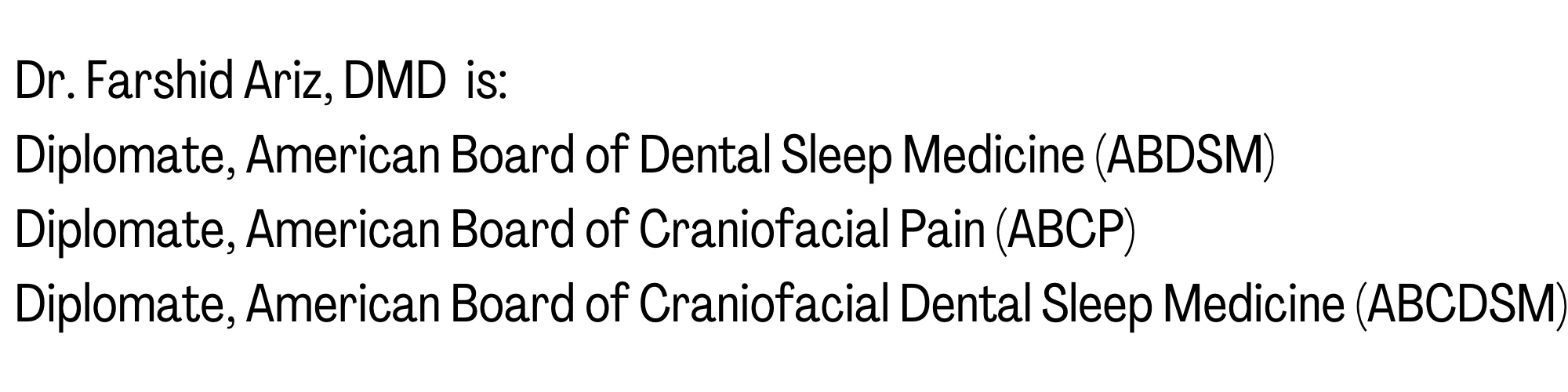

If you enjoy a cup of coffee in the afternoon, you might not realize how it could affect your sleep later that night. As Dr. Farshid Ariz, DMD, a periodontist at TMJ & Sleep Centre in Brentwood, California, I often talk with patients about how their daily habits shape their sleep quality. Understanding the caffeine half life is one of the most practical tools you can use to protect your rest — and your overall health.
What Is the Half Life of Caffeine?
The caffeine half life refers to how long it takes your body to eliminate half of the caffeine you consumed. For most healthy adults, this number is roughly five to six hours. According to the U.S. Food and Drug Administration, caffeine can have a half-life of four to six hours in most individuals. That means if you drink a cup of coffee containing 200 milligrams of caffeine at 2 p.m., about 100 milligrams could still be circulating in your system by 7 or 8 p.m.
This is not a small amount. That residual caffeine can keep your brain alert when you should be winding down. For anyone dealing with sleep-related concerns — including TMJ discomfort or teeth grinding at night — understanding how long caffeine stays active in the body is essential.
Why the Caffeine Half Life Matters for Sleep
Sleep is not just about feeling rested. Good sleep allows your muscles to relax, your jaw to recover, and your nervous system to reset. When caffeine is still active in your body at bedtime, it can delay the onset of sleep and reduce the time you spend in deep, restorative stages.
A study published in the Journal of Clinical Sleep Medicine found that consuming caffeine even six hours before bedtime significantly reduced total sleep time by more than one hour (Drake et al., 2013). That is a meaningful loss, especially for patients in the Brentwood area who come to our practice reporting jaw pain, bruxism, or disrupted breathing during sleep.
When your sleep quality drops, you may clench or grind your teeth more. Your jaw muscles tighten. Over time, this can contribute to TMJ-related symptoms. So the question of when to stop coffee is more than a lifestyle choice — it is directly connected to your oral and systemic health.
How Your Body Processes Caffeine
After you drink coffee, caffeine is absorbed quickly through the stomach and small intestine. It reaches peak levels in your bloodstream within 30 to 60 minutes. From there, your liver metabolizes it using a family of enzymes called cytochrome P450.
The speed at which you metabolize caffeine varies from person to person. Genetics play a role. So do age, liver health, and whether you take certain medications. Some people break down caffeine quickly and feel almost no effect after a few hours. Others metabolize it slowly, meaning the caffeine half life in their body could stretch to eight hours or longer.
If you are a slow metabolizer and you drink coffee at 3 p.m., a significant amount of caffeine may still be active in your system when you go to bed at 10 or 11 p.m. This is one of the reasons some people struggle with sleep even though they feel like they stopped coffee “early enough.”
The Best Time to Stop Drinking Coffee
Based on the average half life of caffeine, a good general rule is to stop consuming all caffeinated beverages at least eight to ten hours before your planned bedtime. If you go to sleep at 10 p.m., your last cup of coffee should ideally be finished by noon to 2 p.m.
This guideline accounts for the fact that even after one half life, a quarter of the original caffeine dose remains after two half lives. Full elimination can take well over 10 hours. Giving your body enough time to clear the caffeine completely allows your natural sleep-wake cycle to function properly.
Here are some practical guidelines:
- Bedtime at 9 p.m.: Stop caffeine by 11 a.m. to noon.
- Bedtime at 10 p.m.: Stop caffeine by noon to 1 p.m.
- Bedtime at 11 p.m.: Stop caffeine by 1 p.m. to 2 p.m.
These are starting points. If you are sensitive to caffeine or have a slower metabolism, you may want to move your cutoff time even earlier.
Hidden Sources of Caffeine You Might Miss
Coffee is the most obvious source, but it is not the only one. Many patients I see in Brentwood and surrounding cities like Encino and Sherman Oaks are surprised to learn how many everyday products contain caffeine.
- Green tea: 25–50 mg per cup
- Dark chocolate: 12–30 mg per ounce
- Soft drinks: 20–55 mg per can
- Energy drinks: 70–300+ mg per serving
- Some pain relievers: 30–65 mg per tablet
- Decaf coffee: 2–15 mg per cup
Yes, even decaf coffee contains a small amount of caffeine. If you are consuming multiple low-caffeine items throughout the afternoon and evening, the cumulative amount can still interfere with sleep.
The Connection Between Caffeine, Sleep, and TMJ Health
At our practice, we see firsthand how poor sleep quality and jaw-related issues feed into each other. When you do not sleep well, your stress hormones increase. This often leads to more jaw clenching, which can worsen TMJ symptoms. If caffeine is disrupting your sleep, addressing your caffeine timing can be a meaningful step toward relief.
We also know that sleep-disordered breathing — such as sleep apnea and snoring — becomes harder to manage when stimulants like caffeine are keeping the nervous system in an alert state. Supporting healthy sleep architecture gives your body the best chance to breathe properly and keep your airway stable through the night.
Similarly, patients who experience TMJ disorders often report that their symptoms improve when they adopt better sleep habits. Reducing late-day caffeine is one of the simplest changes you can make.
Tips to Reduce Afternoon Caffeine Naturally
If you are used to reaching for coffee in the afternoon, try these gentle alternatives:
- Swap to herbal tea. Peppermint, chamomile, and rooibos teas are naturally caffeine-free and can be soothing.
- Stay hydrated. Sometimes the afternoon slump is really just mild dehydration. A glass of water can help.
- Take a short walk. Even ten minutes of movement can give you an energy boost without any caffeine.
- Eat a balanced snack. Protein and healthy fats provide steady energy without the spike and crash of caffeine.
Over time, your body adjusts. Many patients tell me they feel more naturally energized once they stop relying on late-day caffeine.
What About Morning Coffee?
Morning coffee is generally fine for most people. In fact, moderate caffeine intake — about 400 milligrams per day or roughly four standard cups — is considered safe by most health organizations. The key is when you consume it, not necessarily whether you consume it.
Enjoying your coffee in the morning means the caffeine half life works in your favor. By evening, most of it has been processed and eliminated. You get the focus and alertness benefits during the day without sacrificing sleep at night.
Frequently Asked Questions
How long does caffeine stay in your system?
The caffeine half life for most adults is about five to six hours. This means it takes roughly five hours to eliminate just half of the caffeine you consumed. Full clearance can take 10 hours or more, depending on your metabolism, age, and overall health.
What time should I stop drinking coffee to sleep well?
A good rule of thumb is to stop consuming caffeine at least eight to ten hours before bedtime. If you plan to sleep at 10 p.m., finishing your last coffee by noon to 1 p.m. gives your body enough time to process the caffeine fully.
Can caffeine make TMJ symptoms worse?
Yes, caffeine can indirectly worsen TMJ symptoms. When caffeine disrupts sleep, your body produces more stress hormones, which often leads to increased jaw clenching and teeth grinding during the night. Reducing late-day caffeine can help improve both sleep quality and jaw comfort.
Does decaf coffee still have caffeine in it?
Decaf coffee is not completely caffeine-free. A typical cup of decaf contains between 2 and 15 milligrams of caffeine. While this is much less than regular coffee, consuming multiple cups in the evening could still add up and affect sensitive individuals.
Why do some people feel caffeine effects longer than others?
The rate at which your body metabolizes caffeine depends on genetics, liver enzyme activity, age, and certain medications. Some people are fast metabolizers and clear caffeine quickly, while slow metabolizers may experience a caffeine half life of eight hours or longer, making them more sensitive to late-day consumption.
Written by Dr. Farshid Ariz, DMD — Periodontist at TMJ & Sleep Centre, Brentwood, California.