
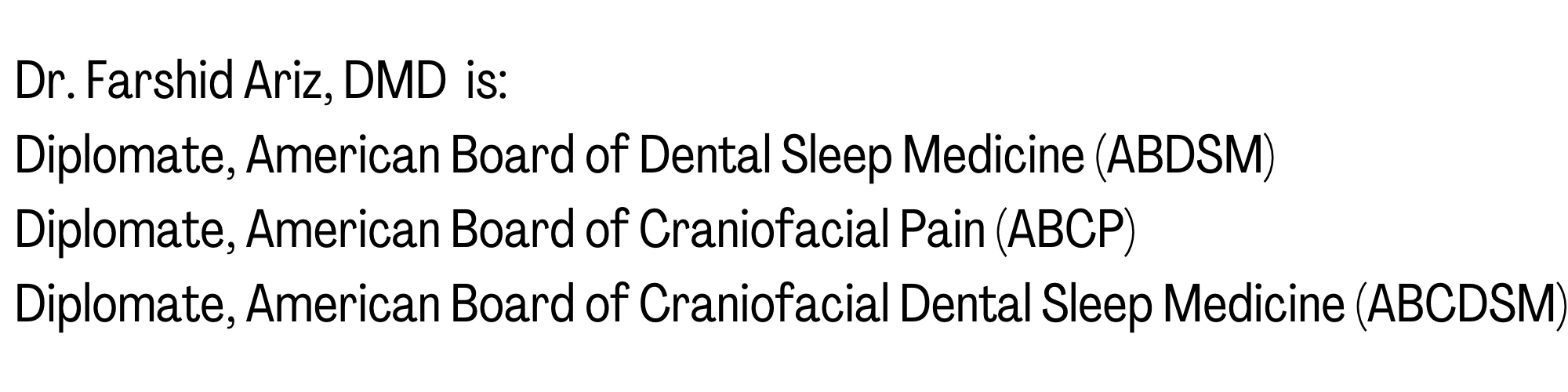

If you have ever walked into a room and forgotten why you went there, you know how frustrating memory lapses can be. Now imagine that happening dozens of times a day — not because of aging or stress, but because your brain is starving for oxygen every single night. At our practice, Dr. Farshid Ariz, DMD, a periodontist serving the Brentwood community, regularly sees patients whose sleep apnea memory loss is silently eroding their cognitive health. The good news is that this process is reversible when caught early, and treatment can help you reclaim the sharp, clear thinking you deserve.
What Is Sleep Apnea and Why Does It Affect Your Brain?
Sleep apnea is a condition where your airway collapses or becomes blocked while you sleep. Each time it happens, your body briefly stops breathing. These pauses can last ten seconds or longer and may occur hundreds of times in a single night. Your brain responds by jolting you awake — often so briefly that you do not even remember it.
Every pause in breathing means a drop in blood oxygen levels. Your brain is the most oxygen-hungry organ in your body. It uses about 20 percent of all the oxygen you inhale. When that supply gets cut off repeatedly, brain cells become stressed. Over time, the areas of your brain responsible for memory, attention, and learning start to show measurable damage.
This is not speculation. A landmark study published in the Journal of Sleep Research found that people with untreated obstructive sleep apnea performed significantly worse on tests of short-term memory, attention, and executive function compared to healthy sleepers. The brain simply cannot consolidate memories properly when sleep is fragmented night after night.
How Sleep Apnea Causes Memory Loss
Understanding the link between sleep apnea and memory problems starts with understanding how memory works during sleep. Your brain processes the day’s experiences during deep sleep stages. It moves information from short-term storage into long-term memory banks. Scientists call this process memory consolidation.
When apnea episodes keep pulling you out of deep sleep, consolidation never fully happens. Think of it like trying to save a document on your computer while someone keeps hitting the power button. The file never saves properly.
Oxygen Deprivation and Brain Tissue
Repeated drops in oxygen — a condition called intermittent hypoxia — can physically damage brain tissue. Research published in the journal Neurology showed that individuals with severe sleep apnea had reduced gray matter volume in regions associated with memory and emotional regulation. According to the National Sleep Foundation, approximately 39 million adults in the United States currently have obstructive sleep apnea, many of whom remain undiagnosed and at risk for cognitive decline.
Inflammation and Neural Pathways
Sleep-disordered breathing also triggers systemic inflammation. When your body goes through repeated oxygen drops and surges, it releases stress hormones and inflammatory markers. These substances can cross the blood-brain barrier and interfere with the neural pathways that support memory, focus, and learning. Over months and years, this chronic inflammation accelerates cognitive aging.
Recognizing the Warning Signs
Many patients who visit our Brentwood office for sleep-related concerns do not realize their memory issues are connected to their nighttime breathing. Here are some common warning signs that sleep apnea may be affecting your cognitive health:
- Morning brain fog — waking up feeling mentally cloudy or slow to think
- Difficulty concentrating at work or during conversations
- Forgetting names, appointments, or recent events more often than usual
- Mood changes such as irritability or feeling anxious without a clear reason
- Excessive daytime sleepiness even after what seems like a full night of rest
- Loud snoring or reports from a partner that you stop breathing during sleep
If you recognize several of these symptoms, it is worth exploring whether obstructive sleep apnea is the underlying cause. The connection between disrupted sleep and forgetfulness is well documented, and the sooner you address it, the better your outcomes tend to be.
The Science of Recovery — Can Memory Improve with Treatment?
Here is the encouraging part. Research consistently shows that treating sleep apnea can lead to measurable improvements in memory and overall cognitive function. A 2019 study in the American Journal of Respiratory and Critical Care Medicine found that patients who used continuous positive airway pressure (CPAP) therapy for just three months showed significant improvements in attention, processing speed, and executive function.
CPAP is one option, but it is not the only one. Many patients in the Brentwood and San Fernando Valley area prefer oral appliance therapy. A custom-fitted oral appliance gently repositions the lower jaw and tongue to keep the airway open during sleep. It is comfortable, portable, and does not require a machine or mask. For many people with mild to moderate sleep apnea, this approach is highly effective and much easier to use consistently.
Consistent use is the key. The brain needs uninterrupted, oxygen-rich sleep to repair itself. When patients commit to nightly treatment, many report noticing sharper thinking, better recall, and improved mood within just a few weeks.
Why a Dental Professional Should Be Part of Your Sleep Team
You might wonder why a periodontist would be involved in treating sleep apnea and memory-related concerns. The answer lies in anatomy. The oral cavity, jaw position, and airway are deeply interconnected. Dentists and periodontists who specialize in snoring and sleep apnea are uniquely trained to evaluate airway anatomy and design oral appliances that fit precisely.
At our practice, we take a comprehensive approach. We evaluate jaw alignment, tongue position, soft tissue health, and overall airway dimensions. This thorough assessment helps us determine whether an oral appliance is the right solution or whether a referral to a sleep physician for further testing makes more sense.
We also understand the relationship between TMJ disorders and sleep-disordered breathing. Many patients who clench or grind their teeth at night also have some degree of airway obstruction. Treating both conditions together often produces the best results for cognitive health and overall well-being.
Steps You Can Take Today
Protecting your memory does not have to be complicated. Here are practical steps you can begin right away:
- Track your symptoms. Keep a simple journal noting morning brain fog, daytime sleepiness, and any memory lapses. This information is valuable for your healthcare provider.
- Ask your sleep partner. Bed partners often notice snoring, gasping, or breathing pauses long before you become aware of them.
- Request a sleep evaluation. A home sleep test or in-lab sleep study can accurately diagnose obstructive sleep apnea and determine its severity.
- Explore treatment options. Whether CPAP or oral appliance therapy is right for you depends on several factors. A qualified sleep dentist can walk you through the options.
- Prioritize sleep hygiene. Go to bed at the same time each night, keep your room cool and dark, and limit screen time before bed.
Every night of healthy, uninterrupted breathing gives your brain the chance to heal, rebuild, and store memories the way it was designed to. The connection between sleep apnea and cognitive decline is real — but so is the power of effective treatment to turn things around.
Frequently Asked Questions
Can sleep apnea actually cause permanent memory loss?
Untreated sleep apnea can cause lasting changes to brain structure, but most cognitive damage is reversible with proper treatment. Studies show that consistent use of CPAP or oral appliance therapy can restore memory function and improve attention. The earlier you start treatment, the greater your chances of full cognitive recovery.
How quickly does memory improve after starting sleep apnea treatment?
Many patients notice improvements in focus, mental clarity, and recall within two to four weeks of consistent treatment. Full cognitive benefits typically continue to develop over several months. Sticking with your treatment every night is essential for the best results.
Is memory loss from sleep apnea different from dementia?
Yes, memory problems caused by sleep apnea are primarily due to oxygen deprivation and sleep fragmentation, not the progressive neurodegeneration seen in Alzheimer’s disease. However, untreated sleep apnea may increase your risk of developing dementia over time. Treating sleep apnea can reduce that risk and protect long-term brain health.
Can an oral appliance from a dentist really help with sleep apnea memory loss?
Absolutely. Custom oral appliances keep the airway open by gently repositioning the jaw, which reduces apnea events and improves oxygen flow during sleep. Better oxygen levels mean better brain function, including sharper memory and concentration. Many patients prefer oral appliances because they are more comfortable and easier to use than CPAP machines.
Who should I see first if I think sleep apnea is affecting my memory?
Start with either your primary care physician or a sleep-trained dentist who can evaluate your symptoms and order a sleep study if needed. A dentist specializing in sleep disorders can assess your airway and determine whether oral appliance therapy is appropriate. In many cases, a collaborative team approach between your doctor and dentist produces the best outcome.
Written by Dr. Farshid Ariz, DMD — Periodontist, TMJ & Sleep Centres of the San Fernando Valley, Brentwood, California