
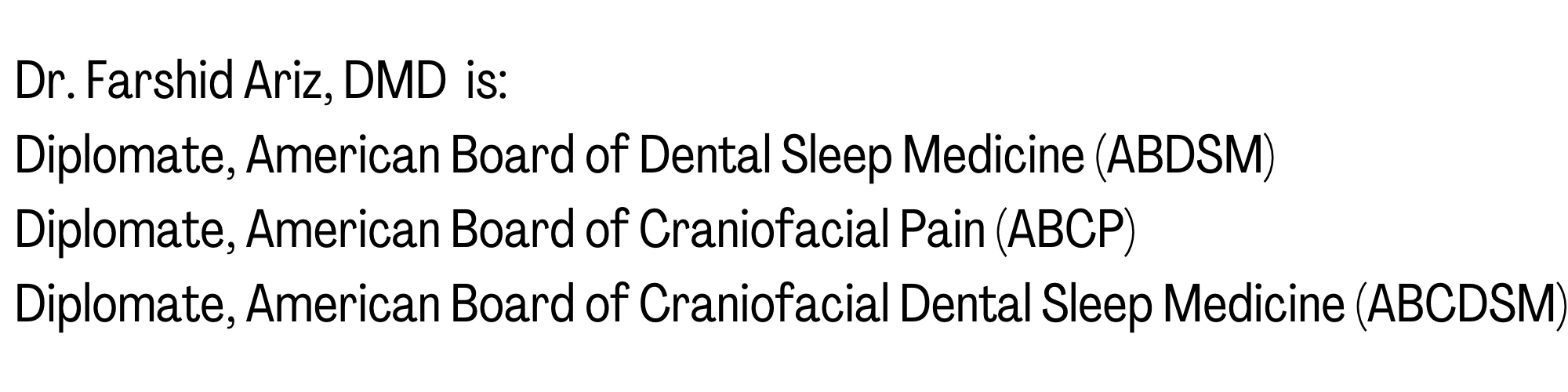

If you have ever noticed your jaw tightening during a tough day at work, you are not alone. Stress and jaw pain are closely connected, and millions of people experience this link every year. I am Dr. Farshid Ariz, DMD, a periodontist at the TMJ & Sleep Centre of San Fernando Valley in Brentwood, California. In my practice, I see patients every week who come in with sore jaws, headaches, and facial tension — and the root cause is often stress. The good news is that once you understand the connection, you can take real steps to feel better.
How Stress Leads to Jaw Pain
Your body responds to stress in many ways. One of the most common — and most overlooked — responses is muscle tension in your face and jaw. When you feel anxious or overwhelmed, your brain sends signals to your muscles to tighten up. This is part of the fight-or-flight response. Your jaw muscles, called the masseters, are some of the strongest muscles in your body. When they stay clenched for hours at a time, the result is pain, stiffness, and fatigue in your temporomandibular joint (TMJ).
Many people do not realize they are clenching or grinding their teeth. This habit, called bruxism, often happens during sleep or during periods of intense focus. Over time, the constant pressure on your jaw joint causes inflammation, soreness, and sometimes clicking or popping sounds when you open your mouth.
The Science Behind Stress-Related TMJ Discomfort
Research supports this strong connection between emotional stress and TMJ disorders. A study published in the Journal of Oral Rehabilitation found that individuals with high stress levels were twice as likely to develop TMJ-related symptoms compared to those with lower stress levels. Additionally, the American Dental Association reports that approximately 70% of TMJ disorders are associated with stress-induced muscle tension and bruxism. These numbers tell us something important: managing your stress can directly improve your jaw health.
When stress hormones like cortisol flood your system, they increase inflammation throughout the body. Your jaw joint is particularly vulnerable because it is used constantly — for eating, talking, yawning, and even breathing. Chronic stress keeps your cortisol levels elevated, which means the inflammation in your TMJ never fully resolves. This creates a cycle where stress causes pain, and pain causes more stress.
Common Signs That Stress Is Affecting Your Jaw
Patients in Brentwood and nearby areas like Encino and Sherman Oaks often ask me how to tell if their jaw problems are stress-related. Here are some of the most common signs I look for:
- Morning jaw soreness — If you wake up with a stiff or aching jaw, you may be grinding your teeth at night.
- Frequent headaches — Tension in the jaw muscles often radiates to the temples and forehead.
- Clicking or popping — Stress-related clenching can cause the disc inside your TMJ to shift, creating these sounds.
- Ear pain or ringing — The TMJ sits right next to your ear canal, so jaw tension can create ear symptoms.
- Difficulty opening your mouth fully — Tight muscles may limit your range of motion.
- Tooth sensitivity — Grinding wears down enamel and can make teeth more sensitive to hot and cold.
If you notice several of these symptoms during stressful periods in your life, the connection is likely real. Recognizing the pattern is the first step toward relief.
Practical Ways to Reduce Stress-Induced Jaw Tension
The best approach to treating stress and jaw pain addresses both the physical symptoms and the emotional triggers. Here are strategies I recommend to my patients:
Mindful Jaw Relaxation
Throughout the day, check in with your jaw. Your teeth should not be touching when your mouth is at rest. The ideal resting position is lips together, teeth apart, with your tongue gently resting on the roof of your mouth. Set reminders on your phone every hour to check your jaw position. This simple habit can dramatically reduce tension.
Stress Management Techniques
Activities like deep breathing, meditation, and yoga are proven to lower cortisol levels. Even five minutes of slow, diaphragmatic breathing can relax your facial muscles. Many of my patients in the Brentwood area have found that regular mindfulness practice reduces their jaw pain more effectively than medication alone.
Warm Compresses
Applying a warm, moist towel to the sides of your face for 15 to 20 minutes can relax tight jaw muscles. Do this in the evening before bed, especially during stressful weeks. The warmth increases blood flow and helps the muscles release built-up tension.
Gentle Jaw Stretches
Slowly open your mouth as wide as you comfortably can, hold for five seconds, then close. Repeat this five times. You can also move your jaw gently from side to side. These stretches help maintain flexibility and reduce stiffness. Always be gentle — never force your jaw beyond what feels comfortable.
Limiting Stimulants
Caffeine and nicotine can increase muscle tension and make clenching worse. If you are dealing with jaw tightness from stress, try reducing your coffee intake and see if your symptoms improve.
Professional Treatment Options for TMJ Pain
When home strategies are not enough, professional treatment can make a significant difference. At our practice, we offer several evidence-based approaches to help patients find lasting relief from stress-related jaw discomfort.
Custom oral appliances are one of the most effective tools. These are specially designed mouthguards that you wear at night. They prevent your teeth from grinding together and position your jaw in a way that reduces strain on the TMJ. Unlike store-bought night guards, custom appliances are made from precise molds of your teeth for optimal fit and comfort.
Physical therapy for the jaw is another option that works well for many patients. A trained therapist can use techniques like manual therapy, ultrasound, and targeted exercises to restore proper function to your jaw joint. Many of our patients who also deal with TMJ disorders and their underlying causes benefit greatly from this combined approach.
Trigger point therapy and muscle relaxants can provide short-term relief when jaw tension from stress becomes severe. These are especially helpful during particularly stressful life events like moving, job changes, or family challenges.
The Connection Between Sleep, Stress, and Jaw Pain
Sleep plays a huge role in this cycle. When you are stressed, your sleep quality suffers. Poor sleep increases your body’s sensitivity to pain and raises stress hormones. This leads to more nighttime clenching and grinding, which worsens your jaw pain. According to the National Institute of Dental and Craniofacial Research, sleep disturbances are a significant risk factor for TMJ disorders.
Improving your sleep hygiene can break this cycle. Keep a consistent bedtime, make your room cool and dark, and avoid screens for at least 30 minutes before sleep. If you also experience snoring or sleep apnea alongside your TMJ symptoms, it is important to address both issues together for the best outcome.
When to Seek Help for Stress-Related Jaw Pain
Many people try to push through jaw discomfort, thinking it will go away on its own. Sometimes it does — but when stress and jaw pain persist for more than a couple of weeks, it is wise to see a specialist. Early intervention prevents the problem from becoming chronic. Chronic TMJ issues can lead to joint damage, worn-down teeth, and significant decreases in quality of life.
If you live in Brentwood, Encino, Tarzana, or anywhere in the San Fernando Valley, we are here to help. A thorough evaluation can identify exactly what is happening with your jaw and create a personalized plan to get you feeling better.
Moving Forward with Confidence
Understanding the link between stress and jaw pain empowers you to take control of your health. You do not have to accept facial tension and TMJ discomfort as a normal part of life. With the right combination of self-care, stress management, and professional guidance, lasting relief is absolutely achievable. Your jaw works hard for you every single day — it deserves the same care and attention you give the rest of your body.
Frequently Asked Questions
Can stress alone cause TMJ pain without any other jaw problems?
Yes, stress can be the sole trigger for TMJ pain. When you are under emotional or psychological stress, your body tends to clench the jaw muscles involuntarily. This sustained tension can cause significant pain, soreness, and stiffness in your jaw joint even if you have no structural problems with your TMJ.
How do I know if my jaw pain is from stress or a dental issue?
Stress-related jaw pain often comes and goes with stressful life events and is usually accompanied by muscle tension, headaches, and teeth grinding. A dental issue typically involves localized tooth pain, sensitivity to temperature, or visible damage. A specialist can perform an evaluation to determine the exact cause and recommend the right treatment.
What is the fastest way to relieve jaw tension caused by stress?
The fastest way to relieve stress-related jaw tension is to consciously relax your jaw by keeping your lips together and teeth apart, then apply a warm compress to both sides of your face for 15 to 20 minutes. Combining this with slow deep breathing can significantly reduce muscle tightness within minutes.
Does wearing a night guard help with stress-related teeth grinding?
A custom night guard is one of the most effective treatments for stress-related teeth grinding, also known as bruxism. It protects your teeth from wear and positions your jaw to reduce strain on the TMJ. Custom-fitted appliances from a dental professional work much better than over-the-counter options because they are designed specifically for your bite.
Can stress and jaw pain lead to more serious health problems if left untreated?
If left untreated, chronic stress-related jaw pain can lead to permanent joint damage, significant tooth wear, chronic headaches, and even changes in your facial structure over time. Ongoing pain can also worsen anxiety and depression, creating a cycle that becomes harder to break. Seeking treatment early gives you the best chance for a full recovery.
Written by Dr. Farshid Ariz, DMD — Periodontist at TMJ & Sleep Centre of San Fernando Valley, Brentwood, California.