
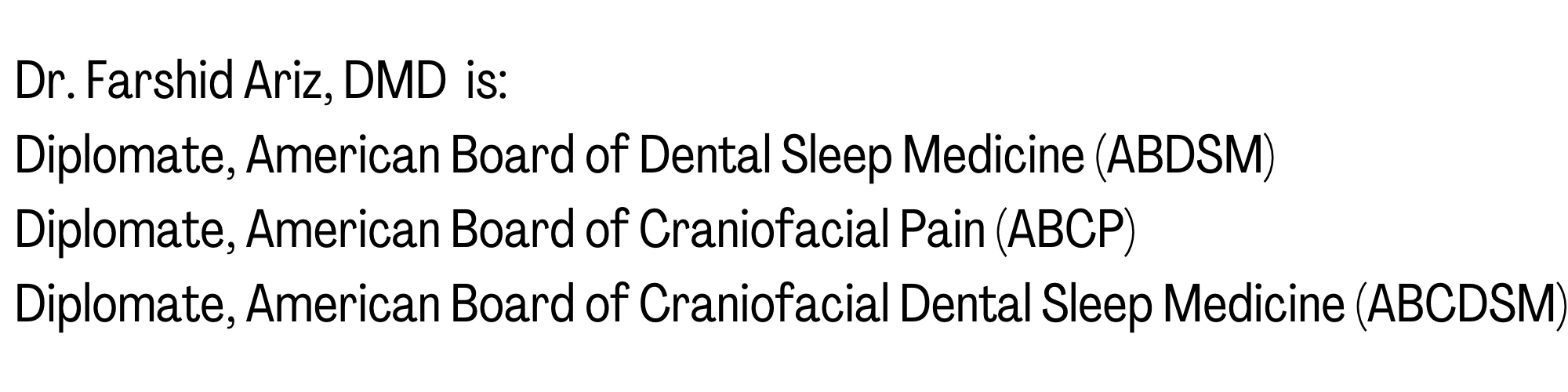

As a healthcare provider, I often surprise my patients when I ask about their sleep quality during a routine dental exam. You might wonder, “Dr. Ariz, I came to you for my gums and teeth, why are we talking about my sleep?” It is a fair question. However, the body is an interconnected system. As a periodontist serving the Northridge community, I look beyond just the teeth and gums; I look at inflammation, airway structure, and overall systemic health.
One of the most critical connections I see in my practice is the link between Obstructive Sleep Apnea (OSA) and cardiovascular health. Many people think snoring is just a harmless (albeit annoying) habit. But the truth is, if that snoring is a sign of sleep apnea, it could be silently damaging your most vital organ: your heart.
In this article, I want to walk you through sleep apnea heart risks, explain the science in simple terms, and show you how addressing your airway health with a “Perio Dentist” can actually help protect your heart.
The Hidden Connection: Your Mouth and Your Heart
Living here in the San Fernando Valley, we lead busy lives. We deal with traffic, work stress, and family obligations. The last thing we need is our body undergoing stress while we are supposed to be resting. Unfortunately, that is exactly what happens with sleep apnea.
Sleep apnea occurs when the muscles in the back of your throat relax too much during sleep, blocking your airway. This stops your breathing for short periods—sometimes hundreds of times a night. When your breathing stops, your oxygen levels drop. This triggers a panic signal to your brain.
Your brain, realizing it isn’t getting oxygen, jolts the body awake just enough to gasp for air. You might not remember waking up, but your heart certainly feels it. This cycle releases stress hormones like adrenaline, which raises your blood pressure and heart rate. Instead of resting, your heart is running a marathon all night long.
High Blood Pressure: The Most Common Risk
The most immediate and common link I see is between sleep apnea and hypertension, or high blood pressure. When you stop breathing, your oxygen level falls. In response, your body tightens its blood vessels to try to get more oxygen to the heart and brain.
If this happens every night, that high blood pressure persists even when you are awake. It is a compounding problem. In fact, if you have high blood pressure that does not seem to respond well to medication, there is a very high probability that undiagnosed sleep apnea is the culprit.
Data Point 1: According to research highlighted by the American Heart Association, it is estimated that nearly 50% of people with sleep apnea have high blood pressure. Treating the apnea can often lead to significant improvements in blood pressure readings.
The Cycle of Cardiovascular Stress
To help you visualize what is happening internally, look at this breakdown of an apnea event:
| Stage | Physiological Reaction | Impact on Heart |
|---|---|---|
| 1. Airway Collapse | Breathing stops; silence followed by choking sound. | Oxygen levels in blood drop rapidly. |
| 2. The Alarm | Brain senses danger (“Fight or Flight”). | Adrenaline is released into the bloodstream. |
| 3. The Surge | Body gasps for air; sleeper shifts. | Blood pressure spikes; heart rate accelerates. |
| 4. The Strain | Repeat 15 to 100 times per hour. | Chronic strain on heart walls and vessels. |
Atrial Fibrillation and Irregular Heartbeats
Another major concern regarding sleep apnea heart risks is arrhythmia, specifically Atrial Fibrillation (often called AFib). This is an irregular, often rapid heart rate that can cause poor blood flow.
In my Northridge office, when I take a patient’s medical history and see AFib listed, I almost immediately examine their airway. The connection is that strong. The changes in pressure within the chest caused by struggling to breathe against a closed airway can physically stretch the chambers of the heart. Over time, this changes the heart’s electrical system.
If you have been diagnosed with an irregular heartbeat, treating your sleep apnea is just as important as taking your heart medication. In many cases, if the apnea isn’t treated, the heart treatments are less effective because the underlying trigger—the nightly stress—is still there.
Heart Failure: The Long-Term Consequence
Heart failure does not mean the heart stops beating; it means the heart is too weak or stiff to pump blood effectively. Sleep apnea forces the heart to pump against higher pressure (due to the constricted blood vessels I mentioned earlier).
Imagine trying to blow up a balloon that is very stiff. You have to work much harder than normal. Now, imagine doing that all night, every night, for years. Eventually, the muscles involved get tired. That is essentially what happens to the heart muscle. The right side of the heart, which pumps blood to the lungs to get oxygen, is particularly affected because low oxygen levels cause the blood vessels in the lungs to constrict.
Data Point 2: Studies suggest that sleep apnea is found in up to 70% of patients diagnosed with heart failure. This staggering statistic shows why we cannot ignore sleep quality when discussing heart health.
The Periodontal Link: Inflammation
This is where my role as a periodontist becomes distinct. You might know that gum disease (periodontitis) is a chronic inflammatory disease. Well, heart disease is also driven by inflammation. And sleep apnea? You guessed it—it causes systemic inflammation.
When you have untreated gum disease, you have a reservoir of bacteria and inflammation in your mouth that enters your bloodstream. If you combine that with the stress and inflammation caused by sleep apnea, you are creating a “perfect storm” for cardiovascular damage.
By treating gum disease and managing sleep apnea, we are effectively lowering the total inflammatory load on your body. This is why I brand myself as a holistic-minded practitioner. We aren’t just fixing teeth; we are helping to create an environment where your heart can thrive.
Recognizing the Symptoms
How do you know if you are at risk? Many of my patients in Northridge and the surrounding areas often attribute their symptoms to aging or stress. However, you should look out for these warning signs:
- Loud Snoring: Especially if it is interrupted by gasping or snorting noises.
- Daytime Fatigue: Feeling tired even after a full night in bed.
- Morning Headaches: Often caused by low oxygen levels or grinding teeth (bruxism) at night.
- Dry Mouth: Waking up with a parched throat usually means you are breathing through your mouth because your airway is compromised.
- Mood Changes: Irritability or depression can stem from chronic poor sleep.
- Waking up frequently to urinate: This is a lesser-known symptom called nocturia, caused by the heart signaling the kidneys to release fluid to reduce pressure.
If you notice these in yourself or your partner, it is time to investigate. Ignoring these signs contributes directly to the sleep apnea heart risks we are discussing.
How a Dentist Can Save Your Heart
So, what can I do about it? While CPAP (Continuous Positive Airway Pressure) machines are the gold standard for severe apnea, many people find them difficult to tolerate. They are bulky, noisy, and can be uncomfortable.
This is where Oral Appliance Therapy (OAT) comes in. As an expert in oral anatomy, I can custom-fit a device that looks similar to a sports mouthguard or a retainer. This device gently repositions your lower jaw forward while you sleep.
By moving the jaw forward, we pull the tongue away from the back of the throat and tighten the soft tissues that usually collapse. This keeps the airway open mechanically.
The Benefits of Oral Appliance Therapy
- Comfort: It is non-invasive and easy to wear.
- Portability: If you travel, it fits in your pocket—no need to lug around a machine and distilled water.
- Compliance: Because it is comfortable, patients actually wear it. An effective treatment only works if you use it!
- Silence: It eliminates the noise of the CPAP motor and, more importantly, stops the snoring.
For more information on the direct link between sleep and heart health, I recommend reading this article from the American Heart Association regarding sleep disorders and cardiovascular disease.
Taking Action in Northridge
I am passionate about this because I have seen the transformation in my patients. I have seen patients lower their blood pressure medication dosages after successfully treating their sleep apnea. I have seen them regain their energy and improve their quality of life.
If you live in Northridge, Woodland Hills, or anywhere in the San Fernando Valley, you do not have to accept poor sleep and heart risks as a normal part of life. We have the technology and the expertise to screen for these issues right here in the dental chair.
When you come in for a consultation, we start with a thorough examination. We look at the structure of your jaw, the health of your gums, and the size of your airway. If we suspect sleep apnea, we can coordinate with sleep physicians for a diagnosis and provide a solution that fits your lifestyle.
Protecting Your Future
Your heart beats for you every second of every day. It deserves a rest at night. By addressing the root cause of your sleep issues, you are doing more than just stopping the snoring—you are actively preventing heart disease, stroke, and hypertension.
I invite you to think of your dental health as the gateway to your overall health. Whether it is treating periodontal disease to reduce inflammation or fitting an oral appliance to keep your airway open, my goal is to help you live a longer, healthier life.
If you are concerned about sleep apnea heart risks, or if you just want to ensure your oral health is supporting your systemic health, please reach out to my office today. Let’s ensure your heart and your smile remain strong for years to come.