

Have you ever yawned during a morning stretch or chewed on a crunchy piece of bread, only to hear a loud pop coming from right next to your ear? It can be startling, and honestly, a little embarrassing if you are sitting at a quiet dinner table. You are not alone. As a periodontist serving the Northridge community and our neighbors in the San Fernando Valley, I hear about this concern almost every day.
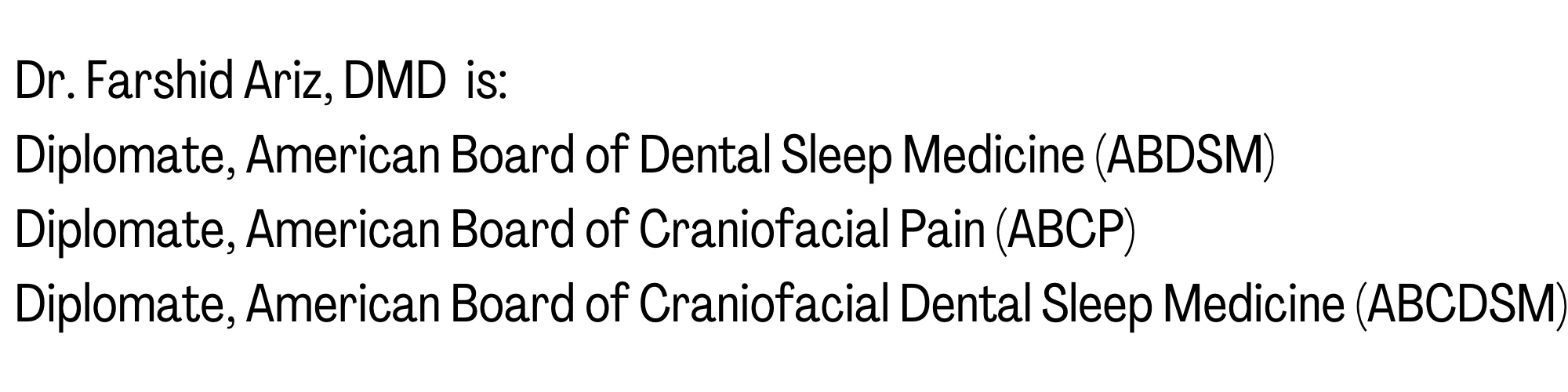
I am Dr. Farshid Ariz, DMD. While my primary focus is Periodontics—which means I specialize in the supporting structures of your teeth like gums and bone—I look at the mouth as a complete system. Your gums, teeth, jawbone, and muscles all have to work in harmony. When one part of the orchestra is out of tune, the whole song sounds wrong. In this case, that “wrong note” is the clicking and popping of your jaw.
If you have been searching the internet for answers, you might be worried. Is it serious? Will it go away? Today, I want to walk you through exactly what is happening inside your jaw joint, how your gum health might actually be related, and what we can do about it right here at my practice in Northridge.
Understanding the Machinery: The TMJ
Before we dive into the specific reasons for the noise, we need to understand the machinery. The joint connecting your jawbone to your skull is called the Temporomandibular Joint, or TMJ for short. You have one on each side of your face, right in front of your ears.
Think of the TMJ as a hinge, but a very complex one. It allows your jaw to move up and down so you can bite, and side to side so you can chew. Inside this joint, there is a small piece of cartilage called a disc. This disc acts like a cushion or a shock absorber between the bones. When everything is working perfectly, the disc stays in place, and your jaw glides smoothly.
However, when you hear that clicking sound, it usually means that the “shock absorber” has moved out of place. The noise you hear is the bone snapping back onto the disc or the disc slipping forward and backward as you open your mouth.
Why Your Jaw Clicks and Pops: The Common Culprits
So, why does this happen? Identifying the specific jaw clicking causes is the first step toward finding relief. While every patient I see is unique, there are several common themes that tend to create these issues.
1. Disc Displacement
This is the most direct cause of the sound. As I mentioned, the soft disc inside the joint can slip forward. When you open your mouth wide, the jawbone jumps back onto the disc to restore normal function, creating the “pop.” When you close your mouth, the disc slips forward again, sometimes causing a second, softer click. This can happen due to injury, or simply wear and tear over time.
2. Bruxism (Teeth Grinding)
Living in the modern world is stressful. Whether it is traffic on the 405 or deadlines at work, many of us carry that stress in our bodies. Unfortunately, for many of my patients, that stress goes straight to the jaw. Bruxism is the habit of clenching or grinding your teeth, often while you sleep.
This puts an immense amount of pressure on the TMJ. Over time, this pressure causes inflammation and changes the alignment of the jaw joint, leading to that distinct clicking sound. If you wake up with sore facial muscles or a headache, this might be your culprit.
3. Arthritis
Just like you can get arthritis in your knees or fingers, you can get it in your jaw. Rheumatoid arthritis or osteoarthritis can damage the cartilage in the TMJ. As the smooth surfaces wear down, the movement becomes rougher, leading to crunching or clicking noises, often referred to as crepitus.
4. Malocclusion (A Bad Bite)
This brings us closer to my specialty. If your teeth do not fit together properly—a condition we call malocclusion—your jaw has to shift into an unnatural position every time you close your mouth to chew or swallow. This constant shifting strains the muscles and the joint, eventually leading to dysfunction.
The Periodontal Connection: How Gums Affect Your Jaw
You might be wondering, “Dr. Ariz, you brand yourself as a Perio Dentist. Why are you talking about jaw joints?” This is where the story gets interesting, and where my approach in Northridge differs from what you might expect.
Periodontal disease (gum disease) is not just about bleeding gums; it is about the destruction of the bone that holds your teeth in place. When you lose bone support due to advanced gum disease, your teeth can actually shift, drift, or become loose.
When teeth shift, your bite changes. When your bite changes, your TMJ is forced to compensate.
Imagine walking with one shoe that is an inch shorter than the other. Eventually, your hips and back will hurt because you are off-balance. The same thing happens in your mouth. If gum disease has caused your teeth to move, your jaw joint is the “hip” that starts to click and pop because it is off-balance. By treating the gum disease and stabilizing your teeth, we often relieve the stress on the jaw.
Visualizing the Issue
To help you understand the relationship between symptoms and causes, I have put together this simple chart. This can help you identify which category you might fall into before you even step into my office.
Jaw Symptom & Cause Matrix
| The Symptom | Likely Underlying Cause | Associated Feeling |
|---|---|---|
| Loud “Pop” upon opening wide | Disc Displacement | Sensation of catching or locking |
| Grinding noise (sand/gravel) | Arthritis | Stiffness, especially in the morning |
| Dull ache + Clicking | Bruxism (Clenching) | Morning headaches, sore facial muscles |
| Clicking + Loose Teeth | Periodontal Bone Loss | Bite feels “off” or changing |
What The Data Says
It helps to know that this is a recognized medical issue, not just a quirk. Let’s look at two important data points that shed light on how widespread this is:
- Data Point 1: According to the National Institute of Dental and Craniofacial Research, the prevalence of Temporomandibular Disorders (TMD) is between 5% and 12% of the population. That means in a city the size of Los Angeles, hundreds of thousands of people are dealing with similar jaw issues.
- Data Point 2: Research indicates that stress is a massive factor. Studies have shown that during high-stress periods, the occurrence of sleep bruxism (grinding) can increase significantly. Since stress is a primary driver of the muscle tension that leads to clicking, managing your lifestyle is just as important as managing your teeth.
For more detailed information on the mechanics of TMD, you can read this excellent resource from The Mayo Clinic regarding TMJ disorders.
When Should You See a Specialist in Northridge?
If your jaw clicks occasionally but doesn’t hurt, you might not need immediate intervention. However, there are specific signs that tell me, as a professional, that it is time for an exam.
You should book an appointment at my office if:
- You have pain: If the clicking is accompanied by a sharp pain in the ear or face.
- The jaw locks: If your jaw ever gets “stuck” open or closed, even for a second.
- You have swelling: Any swelling in the face is a sign of inflammation or infection.
- Your bite feels weird: If your teeth suddenly don’t fit together the way they used to.
As a specialist in the Northridge area, I am equipped to look deeper than just the surface symptoms. We use advanced imaging to see exactly what the bones and soft tissues are doing.
Treatment Options: It’s Not Just Surgery
One of the biggest fears my patients have is that fixing their jaw means surgery. I am happy to report that this is rarely the first option. In fact, we always aim for the most conservative treatment possible. Here is how we approach it:
Lifestyle Adjustments
Sometimes, the solution is simple. We might recommend soft foods for a few weeks to let the joint rest. Avoiding extreme jaw movements—like shouting or singing loudly—can also help calm the inflammation. Applying warm, moist heat to the side of the face is another great way to relax tense muscles.
Custom Night Guards
If bruxism is one of your main jaw clicking causes, a custom-made night guard is a game-changer. Unlike the “boil and bite” ones you buy at the pharmacy, a professional guard is precision-fitted to your teeth. It acts as a barrier, preventing you from grinding your teeth and positioning your jaw in a way that relieves pressure on the joint while you sleep.
Periodontal Stabilization
This is where my expertise as a Perio Dentist shines. If gum disease has caused your teeth to shift, resulting in a bad bite and jaw clicking, we treat the root cause. We may perform deep cleanings (scaling and root planing) or regenerative procedures to build back the bone and gum tissue. Once the foundation is strong, the teeth stabilize, the bite improves, and the jaw can finally relax.
Your Jaw Health is Part of Your Whole Health
Living in Northridge, we have access to a wonderful lifestyle, but we also deal with the hustle of Los Angeles living. It is easy to ignore a little “click” or “pop” in your jaw, thinking it is just stress. But your body is trying to tell you something.
Ignoring these sounds can lead to chronic headaches, neck pain, and even permanent damage to the joint or your teeth. Taking action now is always easier than fixing a major problem later.
Taking the Next Step
I hope this guide has helped demystify the noises coming from your jaw. It is a complex joint, but with the right care, we can get it back in working order. Whether it is stress, a slipped disc, or gum health issues affecting your bite, there is a solution.
If you are in Northridge, Porter Ranch, Granada Hills, or anywhere nearby, I invite you to come in for a consultation. Let’s look at your gums, check your bite, and listen to your jaw. Together, we can silence the clicking and get you back to enjoying your meals—and your life—pain-free.
My goal is to be your partner in oral health, ensuring that your foundation is strong so your smile can last a lifetime.